A Simple GST Record-Keeping Checklist for Small Businesses
GST compliance gets a lot less stressful when your records are already organized. Here's a practical checklist to work from.
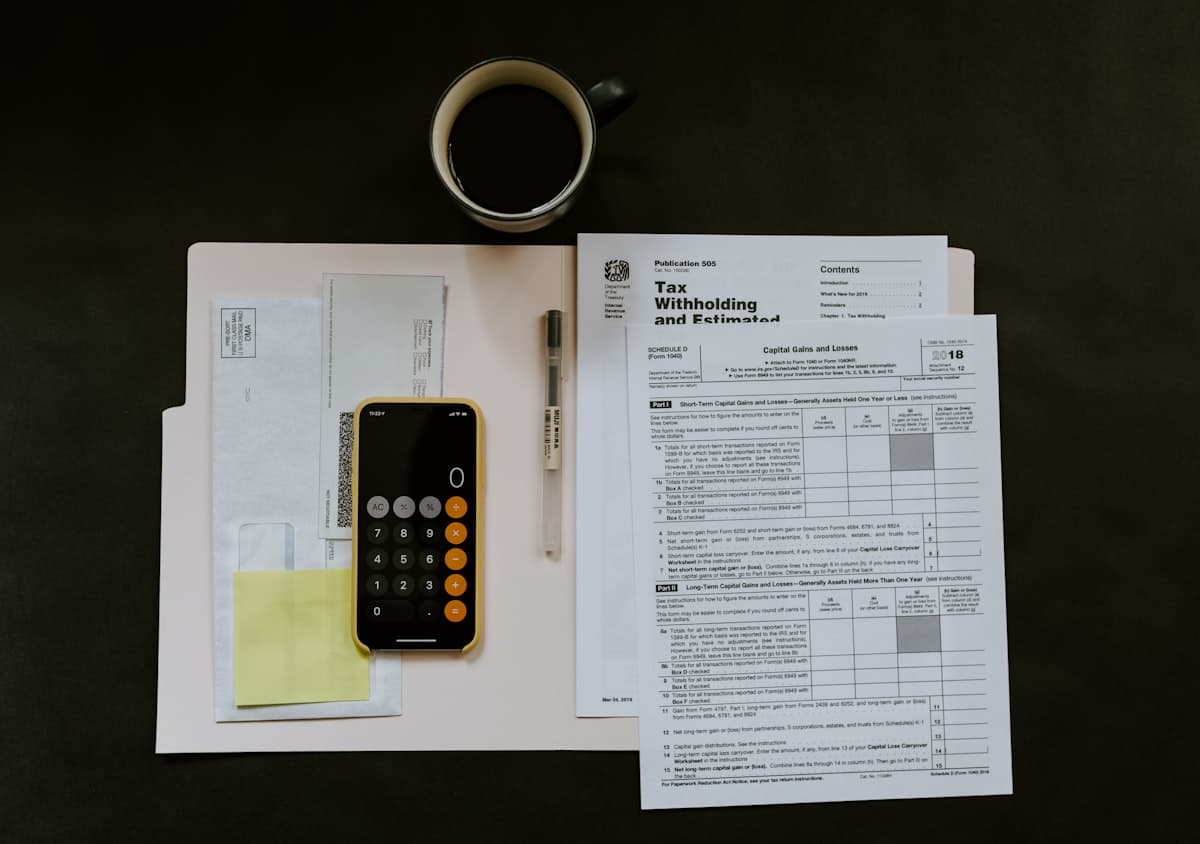
For most small business owners, GST compliance doesn't feel difficult because the rules are complicated — it feels difficult because the records needed to support it are scattered across invoice books, phone photos, email attachments and a folder that hasn't been opened since last quarter.
The businesses that find GST compliance straightforward aren't necessarily the ones with the most accounting knowledge. They're usually the ones with the most organized records. Here's a practical checklist to work from.
1. Number and file every sales invoice as you raise it
Every invoice you issue should be numbered sequentially and filed the same day, not at the end of the week. A gap in your invoice numbering, or an invoice you can't immediately locate, is one of the most common sources of last-minute scrambling before a filing deadline.
2. Keep purchase invoices in one place, not scattered across vendors
It's easy for purchase invoices to arrive by email, WhatsApp, courier and hand delivery, all in the same week. Set up one place — physical or digital — where every purchase invoice lands, regardless of how it arrived, before it gets filed by month.
3. Match invoices to actual payments
An invoice on its own doesn't tell the full story — you also need to know whether and when it was paid. Keeping a simple record that links each invoice to its payment (or its outstanding status) makes reconciliation dramatically faster, and it's often the first thing that falls apart when records are kept casually.
4. Reconcile monthly, not just before filing
Waiting until a filing deadline to reconcile your GST-related records means finding out about a missing invoice or a mismatched entry at the worst possible time. A monthly reconciliation — checking that your sales records, purchase records and bank activity all agree — catches problems while they're still small.
5. Keep digital copies, not just paper originals
Paper invoices fade, get misplaced, or get damaged. A scanned or photographed copy, organized by month in a shared folder, gives you a reliable backup and makes it far easier to pull up a specific document when you need it — without digging through a physical file.
Where JK Associates fits in
This checklist is about building habits — it isn't a substitute for professional GST filing advice, and JK Associates is not a Chartered Accountant firm. What we do is help businesses in Surat keep the underlying records accurate, organized and ready, so that whoever handles your filing has clean information to work from, and so that reconciliation stays manageable month after month.
Want this handled for you, not just explained?
Talk to JK Associates